Is Plymouth to Roscoff a Rough Crossing?

Most Plymouth to Roscoff crossings are calm and comfortable. As an open-Channel route it can occasionally be choppy — more likely in autumn and winter than in spring and summer — but genuinely rough sailings are the exception, not the norm. Here’s what actually affects how smooth your crossing is, and how to stack the odds in your favour.

Last updated: July 2026 | General guidance based on typical route conditions — always check the latest forecast and any Brittany Ferries service updates before you travel.
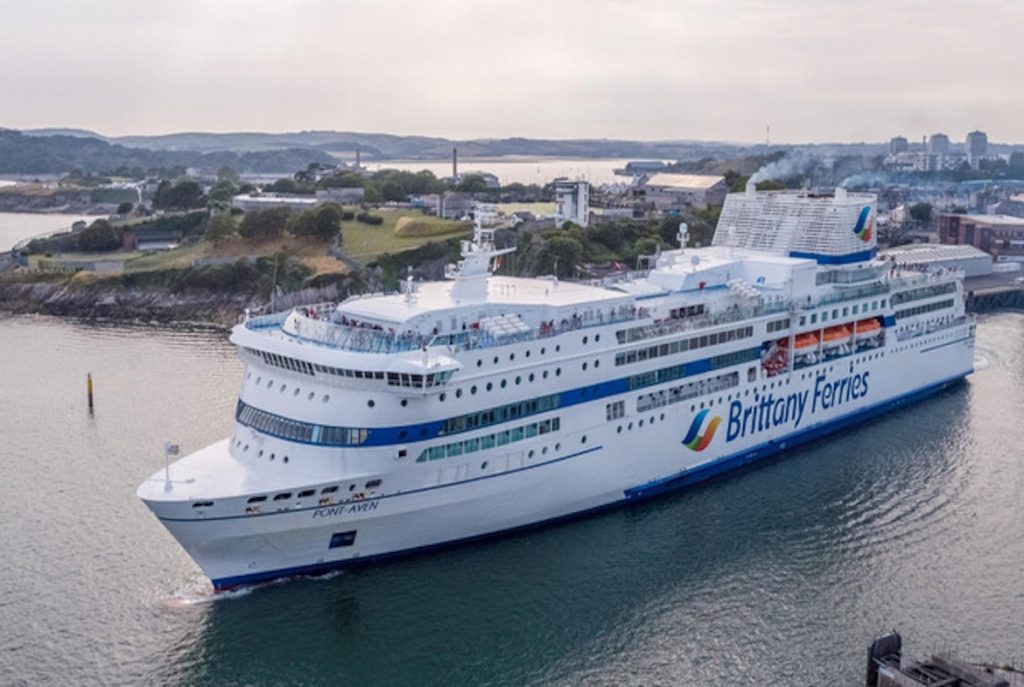
Is Plymouth to Roscoff a Rough Crossing

How Rough Does It Get? Understanding the Open-Channel Route

The Plymouth to Roscoff route crosses open water across the western English Channel — a longer, more exposed crossing than short hops like Dover–Calais, which hug the coast and cross the narrowest part of the Channel. Being further out in open water means the swell is more noticeable when conditions are breezy, simply because there’s no coastline sheltering the ship. That said, “open water” doesn’t automatically mean “rough.” On a calm day the crossing is smooth and barely noticeable, and for the large majority of sailings through the year, that’s exactly what passengers experience. Genuinely rough conditions tend to come from specific weather systems — low-pressure fronts moving in off the Atlantic — rather than being a constant feature of the route.

Seasonal Patterns — When It’s Calmest

Timing matters more than almost anything else if a smooth crossing is a priority for you.

☀️ May – September: Generally Calmest

Settled high-pressure systems are more common through late spring and summer, meaning flatter seas on average. This is also peak booking season, so combine seasickness concerns with our prices and booking guide if you’re weighing up timing against cost.

🍂 October – November & March – April: More Variable

Shoulder-season crossings can go either way — often still calm, but with a higher chance of an unsettled spell than midsummer. Check the forecast in the days before you travel rather than assuming based on the season alone.

🌧️ December – February: Most Likely to Be Choppy

Winter Atlantic weather systems bring the highest chance of a livelier crossing. Sailings also reduce significantly in January. If you’re particularly prone to seasickness, this is the season to plan around if your travel dates are flexible.

Day Crossing vs Overnight Crossing

Sea conditions themselves don’t change based on time of day — a rough patch of weather is rough whether you cross at noon or midnight. What differs is your experience of it. On a day crossing, you can stay on deck, watch the horizon, and see conditions for yourself, which some travellers find reassuring even in a moderate swell. On the overnight crossing, most passengers are asleep in their cabin for a large part of the 8–11 hour journey, so a patch of livelier water in the small hours often goes unnoticed entirely. Neither option is objectively calmer — it comes down to whether you’d rather see what’s happening or sleep through it. Our timetables guide has the current day and overnight sailing times.

Ship Size and Stability

The route is operated by the Armorique, with the larger Pont-Aven operating selected sailings. Both are large, purpose-built Channel ferries, and their size works in your favour — bigger vessels are inherently more stable in swell than smaller boats, and modern ferries like these are fitted with stabilising systems designed to reduce roll in choppy conditions. This is one of the reasons the crossing feels far steadier than, say, a small pleasure boat would in the same weather. Where you are on the ship still matters even on a stable vessel — a lower deck, midship cabin will always feel the least movement, while the bow, stern, and top decks feel the most.

What Happens in Genuinely Bad Weather

Brittany Ferries monitors weather forecasts closely in the days before each sailing. When conditions are expected to be severe enough to significantly affect comfort or safety, sailings are more commonly delayed, retimed, or in rarer cases cancelled and rebooked, rather than sailing directly into the worst of a storm. This means the very roughest weather is usually taken out of the equation before you even board — what you’re weighing up day-to-day is the normal range of “calm” to “a bit choppy,” not extreme storm conditions. If your sailing is affected by a weather-related schedule change, Brittany Ferries will contact you directly using the details on your booking, so make sure your contact information is up to date, especially if travelling in the winter months.

Frequently Asked Questions

Is Plymouth to Roscoff a rough crossing?

Most crossings are calm and comfortable. It’s an open-Channel route, so it’s more exposed than short hops like Dover–Calais and can occasionally be choppy, especially in autumn and winter — but genuinely rough sailings are the exception rather than the norm, and severe weather sailings are typically rescheduled in advance.

What’s the best time of year for a calm crossing?

Late spring through early autumn (roughly May to September) tends to bring calmer sea conditions on this route, while winter months carry the highest chance of a livelier crossing due to Atlantic weather systems.

Is the overnight crossing rougher than the day crossing?

Sea conditions don’t change based on the time of day — weather determines how rough a crossing is, not the clock. Many travellers find the overnight crossing feels easier simply because they’re asleep for most of it.

I’m worried about seasickness — what should I do?

Booking a lower, midship cabin, travelling in calmer months, and a few simple onboard habits make a real difference. See our full seasickness guide for practical preparation tips and what to do if you start feeling unwell onboard.

More Plymouth to Roscoff Guides

🤢

Seasickness Guide

Full prep guide and what to do if you start feeling unwell

Seasickness Guide →

🛏️

Cabins Guide

Choose the right cabin and deck position

Cabins Guide →

⏱️

Timetables

Day vs overnight sailing times

Timetables →

🚢

Ships & Facilities

Armorique and Pont-Aven, deck by deck

Facilities Guide →

Ready to Book Your Plymouth to Roscoff Ferry?

Foot passenger from £38 · Car + 2 passengers from £117 · Reserved seat from £10 or cabin from £55 for overnight crossings

Check Prices & Availability →

Leave a Reply

Your email address will not be published. Required fields are marked *

Fill out this field
Fill out this field
Please enter a valid email address.
You need to agree with the terms to proceed