Affiliate Disclosure: This site contains affiliate links. If you book through these links we may earn a small commission, at no extra cost to you.
Ile de Batz Day Trip from Roscoff: Complete 2027 Guide
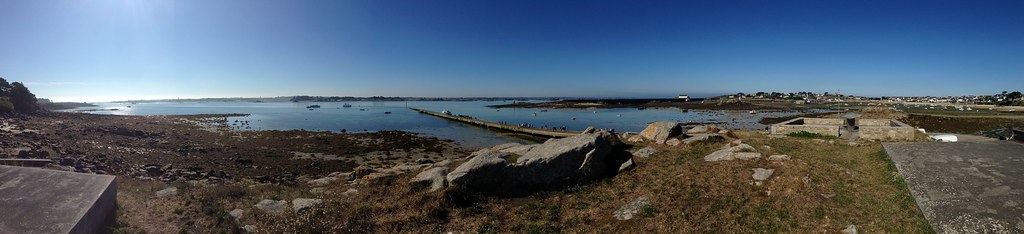
An Ile de Batz day trip from Roscoff is the outstanding excursion of any visit to the Plymouth to Roscoff ferry port, and at just 15 minutes by boat from Roscoff, this car-free Breton island is within reach of everyone. Arriving on the Armorique or Pont-Aven and walking into Roscoff to board the island ferry is one of the great simple pleasures of Brittany travel: within a couple of hours of stepping off the cross-Channel ferry, you can be on a car-free island where the only sounds are gulls, the Atlantic, and the distant clanking of the fishing boats. Ile de Batz (pronounced roughly eel duh BAHTZ locally, and Enez-Vaz in Breton) is a world apart from the mainland in every sense.
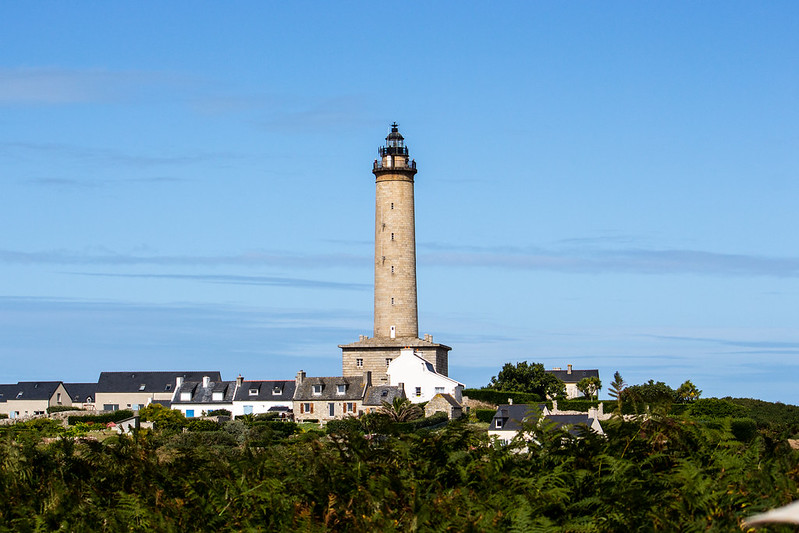
The island is 3.5 kilometres long, home to around 500 inhabitants, and entirely car-free except for service vehicles. The Gulf Stream gives it a climate mild enough to support palm trees and subtropical plants at a latitude of 48° north, an impossible-seeming fact that becomes immediately convincing when you walk around the Jardin Georges Delaselle, a subtropical botanical garden created in 1897 on a former sand dune. The 1836 lighthouse, 44 metres of granite with 198 steps to a 360-degree view of Morlaix Bay, is one of the finest viewpoints in northern Finistère. Around a dozen beaches and coves scatter around the coastline, a coastal path circles the whole island (about 12km, 3–4 hours on foot), and it’s wise to bring some cash, as the island has had no cash machine.
This Ile de Batz day trip guide covers the ferry from Roscoff (prices, timetable and where boats leave from at different tides), the lighthouse and the Jardin Georges Delaselle botanical garden with their prices and opening hours, the island’s beaches, the coastal path round the island, the Serpent’s Hole, the Sainte-Anne Chapel ruins, bike hire, where to eat, and full-day and half-day itineraries to make the most of your visit.
Last updated: October 2026 | Prices and hours are the latest published (2026) by the ferry company, the garden and the Roscoff tourist office; check them again for 2027
✅15-Minute Ferry from Roscoff — frequent crossings in summer and a regular service all year, run by Les Vedettes de l’Ile de Batz (€11 adult return in 2026). Boats leave from different landing stages depending on the tide
✅Jardin Georges Delaselle — subtropical botanical garden created in 1897, with 2,500+ plant species from five continents (adults €6 | open daily from April to early November)
✅The Lighthouse — 198 Steps — 1836 granite lighthouse, 44m tall on the island’s highest point, with 360° views across Morlaix Bay, the Roscoff coast and inland to the Monts d’Arrée (adults €5)
✅Car-Free Island — no traffic, no roads, just paths, coastal walks, beaches and the sound of the Atlantic
✅A Dozen Beaches and Coves — Grève Blanche on the north coast, Porz Reter, Plage de Sainte-Anne, and many smaller coves around the island
✅Coastal Path Circuit — the full island loop on foot, about 12km, 3–4 hours, passing beaches, coves, headlands and all the major landmarks — FREE
✅The Serpent’s Hole (Toull ar Sarpant) — dramatic granite boulders on the north coast, where Saint Pol Aurélien is said to have banished the dragon in the 6th century
⚠️Bring Some Cash — the island has had no cash machine, and some small businesses don’t take cards, so withdraw cash in Roscoff before boarding.
Why Visit Ile de Batz?
The Ile de Batz rewards visitors in a way that has little to do with monuments or museums, and everything to do with the sensation of a car-free island where normal life slows to the rhythm of the tides.
A Tropical Garden in the English Channel
The single most surprising thing about Ile de Batz is the Jardin Georges Delaselle, a subtropical botanical garden with more than 2,500 plant species from five continents, on a 3.5-kilometre island in northern Brittany. The Gulf Stream passes close enough to the island to make this possible: palm trees, tree ferns, agaves, bamboo, cordylines, and an extraordinary collection of plants from New Zealand, South Africa, Australia and the Canary Islands grow outdoors on a rocky Atlantic island at 48° north latitude. It is absurd, magnificent, and completely real.
The garden was created from 1897 by Georges Delaselle, a Parisian insurance broker and passionate botanist who transformed a sand dune on the island into an exotic garden. In doing so he unearthed a Bronze Age necropolis, with the remains of around ten tombs, now one of the garden’s most unusual features. Delaselle spent around forty years on the project, settling permanently on the island in 1918. The garden passed through other hands and fell into neglect before volunteers began restoring it in the late 1980s, and it is now owned by the Conservatoire du Littoral, run by Haut-Léon Communauté and labelled a “Jardin remarquable”. Allow 1–2 hours to explore properly.
Silence, Slow Time, and No Cars
Ile de Batz is almost entirely car-free. Apart from a handful of farm and service vehicles, there is very little motor traffic. The paths are shared by walkers, cyclists, and the occasional flock of sheep. The sounds are gulls, waves, and the creak of rigging in the harbour. Many of the island’s roughly 500 permanent residents still farm, growing early vegetables (new potatoes, carrots, cauliflower) in small plots fertilised with seaweed, continuing a tradition that goes back centuries. This is what Brittany looked like before the roads came.
The effect on most visitors is profound. Within an hour of arriving, the pace changes. Within two hours, many people find themselves sitting on a rock above the Serpent’s Hole wondering why they ever need to hurry anywhere. The island is 3.5 kilometres long, and you can walk right around it in 3–4 hours, but there is no particular reason to rush.
Thousands of Years of History on a Small Island
People have lived on the island since prehistoric times; the Bronze Age necropolis in the Jardin Delaselle is one of the most striking traces. The island’s story runs on through the 6th-century Welsh monk Saint Pol Aurélien, who according to tradition founded a monastery here and banished a dragon into the sea at Toull ar Sarpant, and through centuries of seafaring, fishing, and Viking raids, to the 19th-century prosperity evident in the handsome two-storey granite sea-captains’ houses that line the village streets.
The lighthouse itself is a monument to the island’s maritime importance: completed in 1836, it has guided ships along this coast for nearly two centuries and was occupied by German forces in WWII, when it was strafed by Allied aircraft; the marks are still visible in the granite. The museum inside (“Batz avec les vents”, opened 2018) tells eight chapters of the island’s story through its relationship with the winds and the sea.
Getting to Ile de Batz from Roscoff: Complete Ferry Guide
The ferry from Roscoff to Ile de Batz runs all year, operated by Les Vedettes de l’Ile de Batz. Here’s what you need to know before you go, including where the boats leave from at different states of the tide.
Ferry Prices: Ile de Batz from Roscoff (2026)
Passenger type
Return fare
Adults (12 and over)
€11
Children (4–11 years)
€7
Under-4s
€2
Dogs
FREE
Bikes, e-bikes, tandems, trailers
€16
No booking required for individual passengers. Tickets are sold online, at the harbour and on board; carry some cash in case. These are the 2026 fares from the ferry company and the Roscoff tourist office; check vedettes-ile-de-batz.com for 2027.
Ferry Frequency: How Many Crossings a Day?
Season
Frequency
Daily crossings
July–August (peak)
Frequent, often every 30 minutes
Many crossings
April–June & September–October
Roughly hourly
Regular service
November–March (winter)
Scheduled departures
Reduced service
These are typical patterns; always check the current timetable at vedettes-ile-de-batz.com before visiting, as times vary with the tides and the season, and note the time of the last boat back. The crossing takes 15 minutes each way.
⚠️ Important: Where the Boats Leave From
Roscoff’s old harbour dries out at low tide, so the Batz boats use different landing stages depending on the tide. Traditionally, at low tide they leave from the end of the estacade, the long jetty that runs out from the old port. The estacade has been closed for rehabilitation works, so low-tide departures have been moved, with a free shuttle bus running between the departure points when needed:
Around high tide: boats leave from the Vieux Port, the old harbour, a short walk from the town centre.
Around low tide: while the estacade is closed, boats leave from another landing stage (check which one on the day; it has included the Bloscon side of town), with the free shuttle linking the two.
Always check vedettes-ile-de-batz.com before you go for the day’s departure points and timetable, which change with the tides. The estacade works may be finished by 2027, so the old arrangement could be back.
Arriving from the Plymouth to Roscoff Ferry
If you’re making the Ile de Batz your first stop after arriving in Roscoff from Plymouth, the timings work well. Most 2027 overnight sailings arrive at Port de Bloscon at 08:00 French time (the Saturday-night sailing arrives at 10:15). After disembarking, it’s about 1.5km (20 minutes’ walk) along the coast to the old town for breakfast, then on to the island ferry. See our 2027 timetable for details.
If you’re travelling by car, you’ll need to park in Roscoff for the day; car parks near the old port fill up in summer, so arrive early. The island itself needs no car: everything is on foot or by bike.
Ile de Batz Lighthouse: Opening Hours & Admission
The lighthouse is the island’s most iconic structure and one of the finest viewpoints in northern Finistère. Here is what you need to know before you visit. The table shows the 2026 opening pattern, which is usually similar from year to year; check the 2027 dates before you go.
Period
Opening hours
February school holidays
Tue–Sun 13:30–16:30
Early April to early July
Tue–Sun 13:30–16:30 (last climb)
July and August
Daily 11:00–17:00 (last climb 16:30), peak season
September and the October (Toussaint) holidays
Tue–Sun 13:30–16:30
Groups (year-round)
By reservation: 02 98 15 78 32
Admission Prices (latest published)
Adults: €5 | Children (6–12): €2.50 | Family pass (2 adults + 2 children): €10 | Night visit: €8 (booking required) | Events/concerts: €10
Prices from the Roscoff tourist office listing; check roscoff-tourisme.com for 2027.
The Phare de l’Ile de Batz is the island’s defining landmark: 44 metres of granite rising from the island’s highest point. Allow at least an hour for a thorough visit.
The Museum: Ground Floor
The lighthouse museum “Batz avec les vents” (opened 2018) occupies the former lighthouse keepers’ quarters at the base. Themed rooms, each linked to a different wind direction, explore how the winds have shaped island life: fishing, farming, seafaring and the WWII occupation. Bullet holes from Allied aircraft strafing remain visible in the granite walls. At ground level, a virtual viewing pod gives access to the panoramic view at the top for visitors who cannot or prefer not to climb the 198 steps.
The Climb: 198 Steps
The spiral staircase of 198 granite steps rises through the lighthouse tower. It is a genuine physical effort, narrow, steep and enclosed, but the ascent takes most visitors 10–15 minutes and the views at the top are outstanding. On a clear day the panorama stretches along the coast from Morlaix Bay towards the Sept Îles in the east and the Île Vierge in the west, across Morlaix Bay, the Château du Taureau on its islet, the coastline of Roscoff, and the distant silhouette of the Monts d’Arrée on the southern horizon.
History & Facts
Built between 1833 and 1836, the lighthouse has a range of around 40km out to sea. It was occupied by German forces during WWII and strafed by Allied aircraft, and the bullet marks are still visible. It is now a protected historic monument, and the light is still active, guiding ships along this coast.
Practical Tips
The lighthouse is about a 15-minute walk west from the harbour, signposted throughout. In July and August it opens at 11:00, so go early before the queue builds. Outside peak season it opens at 13:30, so pair it with the garden (opens 11:00) in the morning and the lighthouse in the afternoon. Children must be comfortable with enclosed spiral stairs. Large bags cannot be taken up the tower.
Jardin Georges Delaselle: Botanical Garden on the Island
The Jardin Georges Delaselle is, with the lighthouse, Ile de Batz’s best-known attraction, and for many visitors it is the more memorable of the two. Situated at the eastern end of the island, about 1.2km (around 20 minutes’ walk) from the landing stage, the garden covers several acres of former sand dune and contains more than 2,500 plant species from around the world.
What to See in the Garden
The garden is divided into several distinct zones, each recreating a different corner of the world. The Palm Grove, the most dramatic section, shelters in a deep, terraced hollow dug into the sand dune, filled with rare palms and sub-tropical plants that would be killed by a mainland frost. The Rock Garden contains cacti, succulents and arid-climate species from South Africa and the Americas. A section of New Zealand flora (tree ferns, cordylines and other Southern Hemisphere species) is a highlight; New Zealand landscapes inspired the garden’s 2026 spring exhibition. Across the garden, agaves, bamboo, eucalyptus, echiums and passionflowers grow alongside plants that have never been seen growing outdoors this far north.
The Bronze Age necropolis, discovered while the garden was being dug, is preserved within the grounds, with the remains of around ten tombs framed by the planting. Few botanical gardens anywhere have a prehistoric cemetery as a garden feature.
Exhibitions and events: the garden runs seasonal exhibitions (in 2026, a plant installation inspired by New Zealand landscapes) and an annual “Un artiste au jardin” show, with a different artist’s work displayed among the plants. Check the garden’s website for the 2027 programme.
Admission & Opening Hours
Adults: €6 | Children (7 and over): €3 | Under-7s: FREE | Students and visitors with reduced mobility: €5 Groups (15+): Adults €5
Latest published prices. No advance booking required. Payment by card, cash or cheque. If you’re travelling with a dog, check the garden’s current rules before you go.
April to September: Daily 11:00–18:00
October to early November: Daily, with slightly shorter hours late in the season
Last entry 30 minutes before closing. The garden was damaged by Storm Ciarán in November 2023, and some areas may still show signs of replanting. Check jardin-georgesdelaselle.bzh for 2027 dates and hours.
The Story of Georges Delaselle
Georges Delaselle (1861–1944) was a Parisian insurance broker who first visited Ile de Batz on holiday in 1896 and fell completely under the island’s spell. In 1897 he bought a stretch of bare sand dune on the island’s eastern shore and began his extraordinary project: to create an exotic botanical garden on an Atlantic island where no trees had previously grown. He used the island’s mild Gulf Stream climate as his key advantage, planting species from the southern hemisphere and island climates of the world, and digging a deep, terraced hollow in the dune to create a microclimate sheltered from the Atlantic wind.
In 1918 Delaselle settled permanently on the island and devoted himself to the garden for much of the rest of his life. He sold it in 1937 and died a few years later. The garden passed through other hands and fell gradually into neglect until, in the 1980s, a group of volunteers, mostly from Paris, formed the Association des Amis du Jardin Georges Delaselle and began restoring it from old photographs. The Conservatoire du Littoral acquired the site to protect it permanently, and in 2008 the story was told in an illustrated book by Denis Clavreul.
Beaches, Walks & Things to Do on Ile de Batz
Beyond the lighthouse and garden, the island has a full day’s worth of things to discover: beaches, coastal walks, historical sites, and the simple pleasure of a car-free island with nowhere particular to be.
The Coastal Path: About 12km Around the Island
Distance: about 12km full circuit | Time: 3–4 hours at a relaxed pace | Difficulty: Easy to moderate, some rocky sections | Cost: FREE | Route: the coastal footpath (sentier côtier) and island lanes
A coastal footpath circles the whole island, and it makes the perfect companion to the mainland’s GR34, which runs along the Roscoff shore opposite (see our GR34 guide). Walking it clockwise from the harbour takes you through the village, past the southern beaches facing the mainland, around the eastern tip past the Jardin Delaselle, along the wilder northern coast past the Grève Blanche beach and the Serpent’s Hole, to the lighthouse at the north-western end, and back down the western shore past the Maison du Corsaire to the port. It is one of the finest short island walks in Brittany.
You don’t need to complete the full circuit — any section on foot is rewarding. Most families and casual visitors do a 2–3 hour partial loop, combining the lighthouse and/or garden with the most scenic coastal section of the path. Good footwear is advised for the rocky sections on the northern coast. The path is easy to follow, and the island is small enough that you can’t get truly lost.
🏖️ Beaches
The island has around a dozen beaches and coves. Grève Blanche on the north coast is the most open: wild, sandy and surrounded by moorland. Porz Reter is calmer and particularly popular with families. Plage de Sainte-Anne on the southern coast is fine sand with views back to Roscoff. The southern beaches are the most sheltered for swimming in summer. There are no lifeguards, so take care, and expect cool water even in August: the Gulf Stream softens the climate more than the sea temperature.
🐉 The Serpent’s Hole (Toull ar Sarpant)
On the northern coast, a dramatic rocky inlet of colossal granite boulders marks the spot where, according to island legend, the 6th-century Welsh monk Saint Pol Aurélien drove a dragon terrorising the island into the sea. The landscape here is wild and atmospheric: the boulders are enormous, the sea channels between them unpredictable, and the combination of geology and legend makes this one of the most striking spots on the island. Take care on the rocks, especially in wet weather or a swell.
🏛️ Sainte-Anne Chapel Ruins
Said to stand on the site of Saint Pol Aurélien’s original monastery, the medieval Chapelle Sainte-Anne is now a set of peaceful, partly Romanesque ruins on the eastern shore beside the Jardin Delaselle. The remains of the walls, partially swallowed by dunes and sand, are still clearly visible and are a beautiful symbol of the island’s long history. Ancient stone crosses nearby complete the ensemble. It makes a perfect complement to the neighbouring botanical garden, with thousands of years of history on the same small patch of ground.
🚲 Bike Hire
Bike hire outlets operate near the harbour, and a bike is a good way to cover the island’s lanes and reach the more distant beaches quickly. Expect very roughly €14 a day for a standard bike and €35 for an e-bike, with child trailers and tandems also available; prices and outlets change, so check on arrival or bring your own on the ferry (€16 return). Book in advance if arriving in July or August as demand exceeds supply on busy days.
🏚️ Maison du Corsaire (1711)
A granite guardhouse said to date from 1711, the Maison du Corsaire stands on the island’s west coast with an unobstructed view of the coastline and the lighthouse. The building’s coastal defensive position gives it natural panoramic views back across the bay to Roscoff — one of the lesser-visited but visually rewarding spots on the island. You pass it on the western section of the coastal circuit.
🌾 Agriculture & Island Produce
Ile de Batz is one of the few French islands where market gardening still matters to the local economy: early potatoes (pommes de terre primeur), carrots, cauliflower, and vegetables grown in plots fertilised with seaweed, harvested earlier in the season than the mainland thanks to the island’s mild climate. Walking through the interior of the island between the paths, the patchwork of cultivated plots with their low stone walls creates a landscape unlike anything on the mainland, with fields, dunes, flowers and the sea all visible from any high point.
Where to Eat on Ile de Batz
Eating options on the island are limited in range but good in quality, particularly the crêperies near the harbour. Plan carefully, especially outside July and August when fewer venues are open.
Bring a Picnic: The Best Option
The most reliable and enjoyable way to eat on Ile de Batz is to bring a picnic from Roscoff. Buy supplies in the old town before boarding the ferry (baguette, cheese, charcuterie, fruit, local cider) and eat on the coastal path, at one of the beaches, or on the benches overlooking the harbour. There is no better dining setting in Finistère. The island’s small grocery sells basic supplies, but stock is limited and it’s not a reliable substitute for planning ahead. Remember to bring some cash.
Crêperies: Harbour Area
Several crêperies operate near the harbour, the most consistently open and best-reviewed option for lunch on the island. Buckwheat galettes (savoury) and sweet crêpes are the staple, served with local cider. They are popular with day-trippers and can run out of hot food by early afternoon in high season, so aim to arrive before 12:30. Book ahead in July and August, as tables fill quickly.
Café du Port & Harbour Bars
The harbour bars serve coffee, drinks, and simple snacks throughout the day. Good for a morning coffee on arrival or a cold cider in the afternoon while waiting for the return ferry. Most accept cards, but some smaller vendors may not, so confirm before you order.
⚠️ Key practical notes:Bring some cash from Roscoff, as the island has had no cash machine. In peak summer (July–August), restaurants and crêperies can run out of hot food by 13:00. Book ahead for sit-down meals. The island grocery sells basics but is not a substitute for proper supplies. If in doubt, bring a packed lunch from Roscoff.
Sample Itineraries: Half-Day and Full Day on Ile de Batz
Whether you have a morning to spare after arriving on the overnight ferry or a full day to give the island, here are tested itineraries for different visit lengths.
Half Day: Lighthouse or Garden & Village (3–4 Hours)
Perfect for: Ferry arrivals who want a first taste, short stops, families with young children
09:45: Catch a ferry from Roscoff (check the day’s departure point at vedettes-ile-de-batz.com)
10:00–10:45: Coffee at the harbour, then a stroll through the village and down to a nearby beach
11:00–12:15: In July and August, the lighthouse (opens 11:00; museum and 198-step climb). At other times of year, walk east to the Jardin Georges Delaselle instead (opens 11:00; about 20 minutes’ walk), as the lighthouse only opens at 13:30
12:30–13:30: Lunch at a harbour crêperie: a galette, then a sweet crêpe and cider
13:45: Ferry back to Roscoff, with the afternoon free to head on into Brittany
Full Day: Complete Ile de Batz (7–8 Hours)
Perfect for: First-time visitors wanting to see everything, walkers, families, garden enthusiasts
09:30: Take a morning ferry from Roscoff, with a picnic from Roscoff old town.
09:45–10:30: Explore the harbour village and pick up a morning coffee
10:30–11:00: Walk east along the coast to the Jardin Delaselle (1.2km, ~20 min), past the Sainte-Anne Chapel ruins
11:00–12:30: Jardin Georges Delaselle — 1.5 hours in the garden (opens 11:00)
12:30–13:15: Picnic lunch on the Grève Blanche or near the Serpent’s Hole
13:15–14:30: Continue west along the wild north coast past the Serpent’s Hole and the headlands
14:30–15:45: Lighthouse visit: museum, 198-step climb and the view (last climb 16:30)
16:00–16:45: Walk back to the harbour via the Maison du Corsaire on the west coast, with time for a drink
17:00: Ferry back to Roscoff (check the time of the last boat)
Top Tips for Your Ile de Batz Day Trip
Bring some cash: The island has had no cash machine, and some small vendors don’t take cards, so withdraw cash in Roscoff before you board.
Check the day’s departure point: The Batz boats leave from different landing stages depending on the tide, and the estacade works have changed the low-tide arrangements. Check vedettes-ile-de-batz.com on the morning of your visit, and note the last boat back.
Note the lighthouse opening hours by season: In July and August the lighthouse opens at 11:00. In spring and autumn it only opens at 13:30 Tuesday–Sunday. Plan your day accordingly: the garden opens at 11:00 all season, making it a good morning activity outside July and August.
Book crêperies in peak season: In July and August, the island’s restaurants and crêperies can fill completely and run out of hot food by 13:00. Book ahead, or pack a picnic from Roscoff.
Hire bikes for more ground: The island is 3.5km long, and a bike lets you cover far more ground. A bike makes a significant difference if you want to combine lighthouse, garden, north coast beaches, and the village in a single visit. Hire near the harbour on arrival (arrive early in summer, as bikes are limited) or bring your own on the ferry.
Best months: May and September. July and August are beautiful but the island gets crowded and ferries fill. May and September offer mild weather, far fewer people, the garden in bloom or turning autumn colours, and the lighthouse open. April is good for the garden, though the lighthouse only opens in the afternoons outside July and August.
Allow a full day if possible: Half a day is enough for the lighthouse and a walk, but the island genuinely rewards a full day. The pace changes, you stop rushing, and the island starts to reveal itself. It is the kind of place that sends people back year after year.
Ile de Batz Day Trip: Frequently Asked Questions
Is Ile de Batz worth visiting?
Yes. Ile de Batz is one of the most rewarding short excursions in Brittany. The combination of a car-free island, a subtropical botanical garden, a 198-step lighthouse with outstanding views, a dozen beaches and coves, and the sense of a place where time slows down, all 15 minutes by boat from Roscoff, makes it an outstanding use of a day. It is popular, but not overcrowded outside July and August. The island rewards slow exploration rather than a quick tick.
How much is the ferry to Ile de Batz from Roscoff?
In 2026 the return fare was €11 for adults (12+), €7 for children aged 4–11 and €2 for under-4s; dogs travel free and bikes cost €16. No booking is needed for individual passengers: tickets are sold online, at the harbour and on board. The crossing takes 15 minutes each way. The service is run by Les Vedettes de l’Ile de Batz (vedettes-ile-de-batz.com); check there for 2027 fares.
How much is the lighthouse on Ile de Batz?
Admission to the Phare de l’Ile de Batz is €5 for adults, €2.50 for children aged 6–12, and €10 for a family pass (2 adults + 2 children), at the latest published prices. The entrance includes access to the “Batz avec les vents” museum at the base and the climb of 198 steps to the lantern room. A virtual viewing pod at ground level is available for those who cannot climb the stairs. In July and August the lighthouse is open daily 11:00–17:00. Outside the peak season it opens Tuesday–Sunday, 13:30–16:30, from spring to the October holidays.
How much is the Jardin Georges Delaselle?
Admission to the Jardin Georges Delaselle is €6 for adults, €3 for children aged 7 and over, and free for under-7s; students and visitors with reduced mobility pay €5 (latest published prices). The garden is open daily from April to early November, 11:00–18:00 for most of the season. Last entry is 30 minutes before closing, and no advance booking is needed. It’s at Penn Batz, at the eastern end of the island, about 20 minutes’ walk from the harbour.
Is there a cash machine (ATM) on Ile de Batz?
Not as far as we know: the island has had no cash machine, so withdraw cash in Roscoff before boarding the ferry. Many island businesses accept cards, but some smaller vendors may not. A day trip costs roughly €40–50 per adult for the ferry, lighthouse, garden and lunch, so it’s worth carrying some of that in cash.
How long does it take to walk around Ile de Batz?
The full coastal circuit of the island is about 12km and takes 3–4 hours at a relaxed pace, allowing time for the beaches and viewpoints along the way. A half circuit (port to lighthouse or port to garden) takes 1.5–2 hours. The island can also be explored well by bicycle — the full loop by bike takes around 1.5–2 hours with stops. There is no fixed “right” way to see the island; it is small enough that you can’t get truly lost.
When is the best time to visit Ile de Batz?
May and September are the best months: pleasant temperatures, the garden in full bloom or turning autumn colours, far fewer visitors than July and August, and all major attractions open. July and August are the liveliest months but the busiest, with restaurants filling and ferries crowded at peak times. April is good for the garden, though the lighthouse only opens in the afternoon. October still allows garden visits for those travelling late in the season. The island ferry runs all year, but the Plymouth–Roscoff ferry sails from March to November (21 March to 7 November in 2027), and the garden and lighthouse are mostly closed in winter.
Where does the Ile de Batz ferry leave from in Roscoff?
It depends on the tide. Around high tide the boats leave from Roscoff’s Vieux Port (old harbour) in the town centre. Around low tide they normally leave from the end of the estacade, the long jetty off the old port, but while it has been closed for works, low-tide departures have moved to another landing stage, with a free shuttle bus between the two. Check the day’s departure points on vedettes-ile-de-batz.com. From the Brittany Ferries terminal at Port de Bloscon, the old port is about 1.5km (20 minutes’ walk).
Can I visit Ile de Batz straight off the overnight ferry from Plymouth?
Yes, and it’s one of the best ways to start a trip. Most 2027 overnight sailings arrive in Roscoff at 08:00 French time. Walk about 20 minutes into the old town for breakfast, then catch a mid-morning boat to the island; you can be back by early afternoon for a half day, or stay until the late afternoon for the full experience. If you’re travelling by car, park in Roscoff for the day, as the island has no use for cars.
Continue Planning Your Plymouth to Roscoff Trip
🇫🇷
Roscoff Town Guide
Old town, Jardin Exotique, Maison des Johnnies and where to eat in Roscoff
Book Your Ferry to Roscoff, Gateway to Ile de Batz
Brittany Ferries sails from Plymouth Millbay to Roscoff from March to November (21 March to 7 November in 2027). Walk off the ferry and within a couple of hours you can be on a car-free Atlantic island with a subtropical botanical garden, a 198-step lighthouse, and the Gulf Stream keeping your coffee warm.
This website uses cookies to improve your experience. If you continue to use this site, you agree with it.
We use cookies to ensure that we give you the best experience on our website. If you continue to use this site we will assume that you are happy with it. We also use affiliate links, please see our privacy policy.